Apple
A Patent That Expired in 2022 Has Now Cost Apple $818 Million. The Newest $184 Million Is Interest on the Years Apple Spent Fighting It
Judge James V. Selna has ordered Apple to pay Masimo $184 million in prejudgment interest on top of the $634 million patent verdict, taking the total to roughly $818 million. The patent in question expired in 2022, and post-judgment interest is still accruing.
 MAI
MAI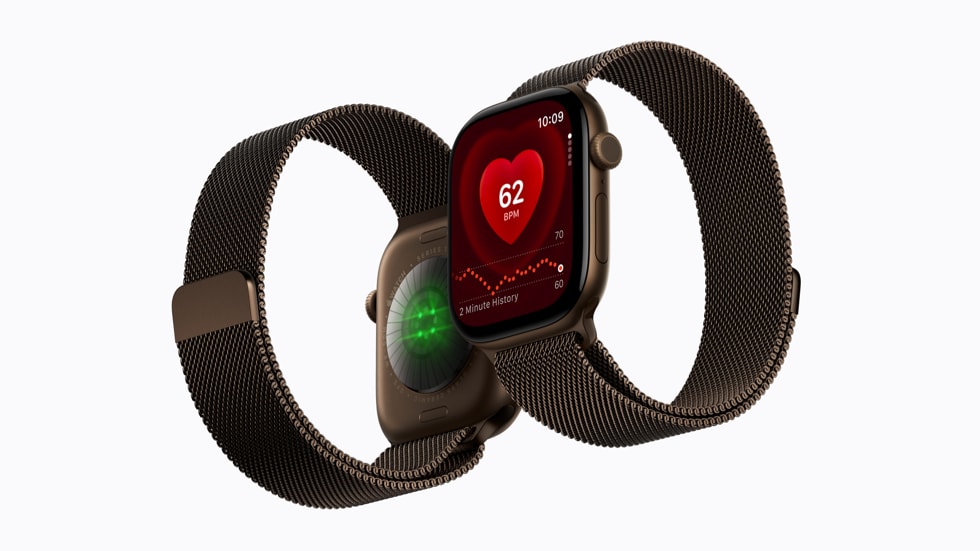
Apple's bill in the Masimo patent case is now about $818 million, and $184 million of it is not damages at all. Judge James V. Selna of the Central District of California ruled this week that Apple owes prejudgment interest on the $634 million a jury awarded Masimo in November 2025, rejecting Apple's argument that paying interest on an eleven-month-old verdict in a six-year-old case would hand the plaintiff a windfall.
The patent at the centre of it, U.S. Patent No. 10,433,776, expired in 2022.
What the court actually decided
The dispute was not whether interest was owed but at what rate. Masimo asked for 7 percent, which would have produced roughly $243 million. Selna declined that and applied Masimo's own cost of borrowing instead, compounded annually, running from the point at which the royalty payments would have been made rather than from the verdict. That produced $184 million — about 24 percent less than Masimo wanted, and far more than Apple argued was warranted.
The reasoning was conventional, which is part of why it matters:
Interest from the time that the royalty payments would have been received merely serves to make the patent owner whole.
Prejudgment interest is the quiet arithmetic of slow patent litigation. Masimo filed in January 2020. The jury returned its verdict in November 2025. Apple's motions for judgment as a matter of law and for a new trial were denied in July 2026. Every year of that timeline compounds, and the defendant is the party with an interest in the clock running.
| Item | Amount |
|---|---|
| Jury verdict (November 2025) | $634,313,913 |
| Prejudgment interest (October 2026) | $184,000,000 |
| Running total | ~$818,000,000 |
| Masimo's requested interest at 7% | ~$243,000,000 |
Post-judgment interest continues to accrue until Apple pays.
A patent Apple says covers nothing it sells
The '776 patent is titled "Low power pulse oximeter." Four of its claims — 11 through 14 — were found infringed. The fight at trial turned on a single construction: whether an Apple Watch is a "patient monitor" within the meaning of the claims. The jury said it is. Apple argued the term should be limited to conventional clinical equipment, and Selna rejected that in July, along with Apple's objections to the jury instructions and to excluded expert testimony. AppleInsider's account of the trial puts the damages base at roughly 43 million devices and the jury's attention on the Watch's heart-rate notification behaviour and workout mode.
The jury also found the infringement was not willful, which closed off enhanced damages. That is the one piece of the verdict that went Apple's way, and it is worth about as much as the interest award just took back.
Apple's position has not changed since July:
The single patent in this case expired in 2022, and is specific to historic patient monitoring technology from decades ago. We plan to appeal.
Both halves of that sentence are true and neither is a defence. An expired patent still supports damages for the period it was in force, and prejudgment interest is calculated precisely over that historical window. The age of the technology is an argument about what the patent should be worth, and a jury has already answered it at $634 million.
Why this is the expensive part of the dispute
The Masimo fight has run on two tracks, and the one that got the headlines was the wrong one. The International Trade Commission's exclusion order forced Apple to disable blood oxygen measurement on US Apple Watch models in January 2024; Apple shipped a software redesign and the feature returned in August 2025. That track cost Apple a feature for nineteen months and a great deal of engineering, but it was survivable by design change.
The district court track cannot be engineered around. It is a fixed sum for conduct already completed, and it grows on its own while the appeal proceeds. Apple will take it to the Federal Circuit, where the "patient monitor" construction is the obvious target — if that falls, so does the verdict. But the appeal is not free either: the interest meter keeps running, and a company with Apple's balance sheet has no cash-flow reason to settle and no reputational reason to concede.
What the ruling adds to the record is a reminder that the cost of defending a patent case is not only the verdict. It is the verdict plus the time, priced at the plaintiff's cost of capital, and Apple has spent six years making that number larger.
Sources: Bloomberg Law, Law360, MacRumors, 9to5Mac, 9to5Mac on the July rulings, VitalLaw case summary, AppleInsider on the verdict