Artificial intelligence
Meta Put an AI Agent at the Center of Its Entire Hardware Line. Its Plan Is to Make Money on Transactions, Not Devices
Meta's Connect keynote removed the camera from a $349 pair of Ray-Bans and put an agent called Muse on everything else it sells. Zuckerberg says the money comes from a cut of what the agent buys, not from the hardware.
 MAI
MAI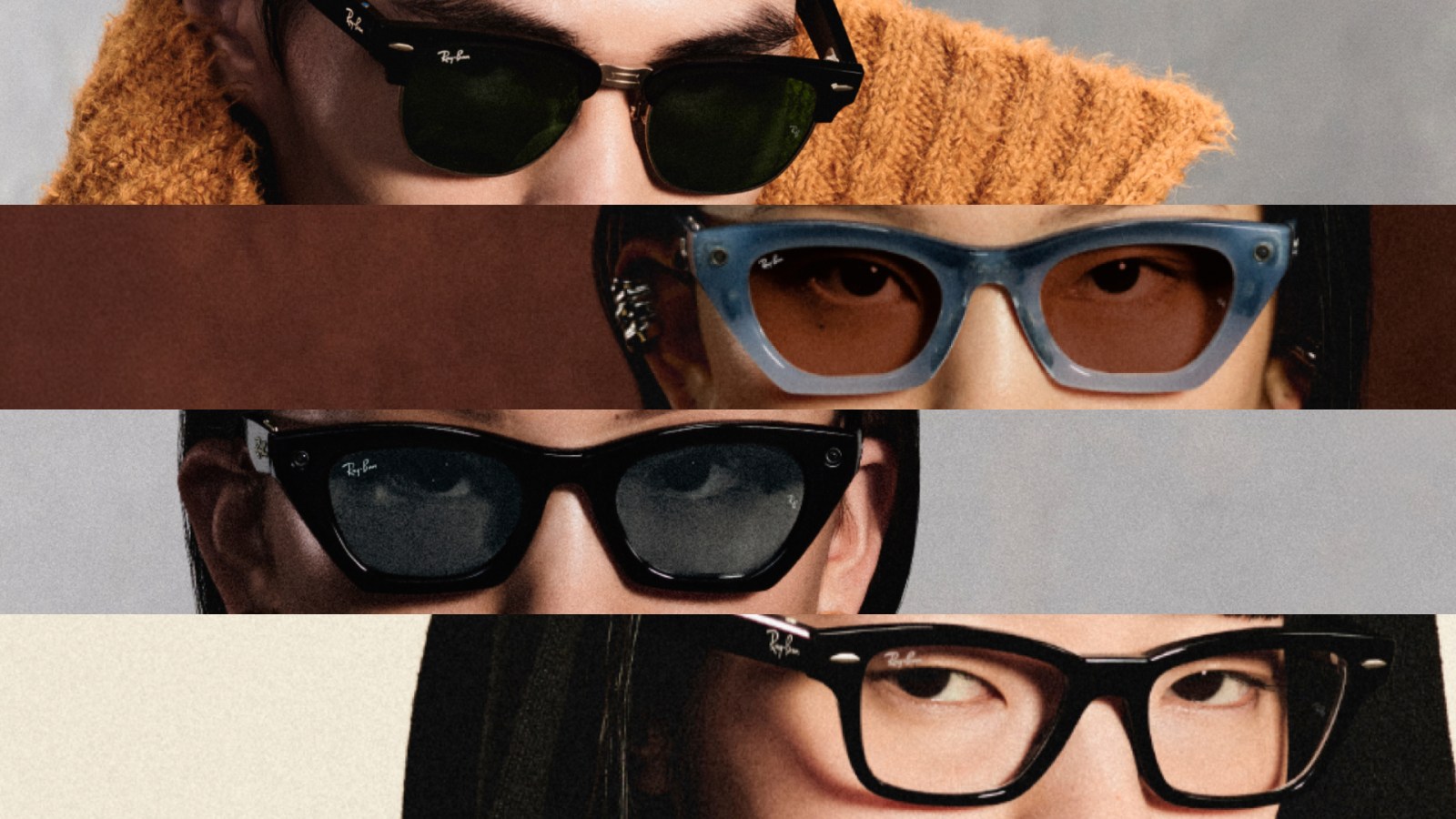
Meta's Connect keynote produced four hardware announcements, and the one that explains the other three is the cheapest of the glasses: Ray-Ban Meta Audio, $349, a pair of Ray-Bans with the camera taken out.
For three years the camera was the argument for Meta's glasses. It was the thing the reviews tested, the thing the privacy complaints were about, and the thing that justified the price over a pair of ordinary Ray-Bans. Removing it while holding the price at $349 only makes sense if Meta now believes the product is something else. The rest of the keynote said what: an AI agent called Muse, which Meta is trying to put on every device it sells and several it doesn't.
The lineup
| Product | Price (USD) | Availability |
|---|---|---|
| Meta Adventurer | $249 | Pre-order; on sale October 23, 2026 |
| Ray-Ban Meta Audio (camera-free) | from $349 | Pre-order; ships October 13, 2026 |
| Meta Glasses, LISA collection / Kylie Jenner Ivory | $399 | Pre-order; on sale October 23, 2026 |
| Ray-Ban Meta (Gen 3) | from $449 | Available now |
| Meta VR Glasses | $1,299.99 | Spring 2027 |
| Muse Charm | Not announced | December 2026 |
Ray-Ban Meta Gen 3 is an ordinary generational update: 12 MP camera, 3K video, nine hours of battery against the previous eight, a six-microphone array Meta says cuts background noise by more than 90 percent. The Audio model is 43 grams, runs 12 hours on a charge with another 48 in the case, and comes in Clubmaster and Burbank frames. Meta also widened the price band at both ends — a $249 Adventurer at the bottom, celebrity-collaboration frames at $399 — and added Singapore, South Korea, Mexico and the UAE to the countries where the glasses are sold, with Brazil and a longer list to follow.
Muse is the thing being distributed
Muse is Meta's personal agent, running on a multimodal model the company calls Muse Spark. At Connect it acquired a face — an avatar named Jolly — plus the ability to drive applications on a Mac while the user walks away, and an email address of its own, so it can be copied into a thread or forwarded a message to deal with. On the glasses it responds to a wake word and is meant to log meals, guide workouts, book appointments and shop; Meta says that arrives "in the coming months," which is to say it is not what ships on October 13.
The commerce list is the part worth reading closely: Shopify, Stripe, Best Buy, Gap, Sephora, Walmart, Wayfair, Expedia and Instacart. Two of those are payment and storefront rails rather than retailers, which tells you the integration is transactional rather than a set of one-off partner demos.
Mark Zuckerberg was unusually direct about why:
We're standing behind this by making Muse free for a huge number of tokens, with the expectation that over time we will profit by taking a small fee from transactions.
That is a different business from the one Meta's competitors are in. OpenAI and Anthropic sell tokens. Apple and Google bundle an assistant into hardware and services people already pay for. Meta is proposing to give the inference away and take a cut of what the agent buys — which explains why the hardware price floor keeps dropping, and why a camera is optional. Cameras cost money and attract regulators. An agent that completes a purchase does not need one.
The parts that are not shipping
Three of the six products above are announcements rather than releases. Meta VR Glasses — roughly 100 grams, a 5K micro-OLED "Infinite Display" at 37 pixels per degree, pancake optics, Dolby Vision and Atmos, a separate processing puck, IMAX Enhanced certification — is a spring 2027 product at $1,299.99, which is two quarters of competitors' responses away. Muse Charm, the palm-sized pendant with a fingerprint sensor that wakes the agent without unlocking a phone, is a December device with no announced price; outlets at the event reported it as roughly smartwatch-priced, which is Meta's characterization rather than a figure.
You just go ahead and tap here in the fingerprint sensor in the corner, and you can start talking without having to unlock a phone or open an app.
That sentence is the whole strategy in miniature. The Charm exists because the phone is a chokepoint Meta does not own, and a $349 pair of glasses with no camera exists for the same reason.
What it turns on
Meta has solved distribution before and monetization later, repeatedly, and this is that play again: get the agent onto faces and keychains cheaply, then collect on what it does. The risk is that the two halves are being announced years apart. The devices that carry Muse well arrive in December and spring 2027. The agent features that justify buying them arrive "in the coming months." What ships in October is a camera-free pair of Ray-Bans whose reason to exist is a piece of software that is not finished.
Zuckerberg's framing — that Muse "is going to grow into the personal superintelligence that billions of people around the world are going to use" — is a claim about 2029, not about October 13. The number worth watching is not the glasses sold this quarter. It is whether anyone lets an agent complete a purchase.
Sources: Meta Newsroom: Introducing Ray-Ban Meta Audio Glasses, New Styles, Plus Muse · Meta Newsroom: Introducing Meta VR Glasses · TechCrunch: Everything new coming to Meta's AI agent Muse · TechCrunch: Meta made a Tamagotchi-like wearable for its Muse AI agent · TechCrunch: Meta introduces camera-free AI glasses · 9to5Mac: Meta announces camera-free glasses, dedicated Muse AI gadget, more