Apple
Apple Cut iPhone 18 Pro Orders by 15–20%. The $100 Price Rise and the Missing Base Model Are the Same Story
Nikkei Asia reports Apple trimmed October component orders for the iPhone 18 Pro and Pro Max by 15% to 20%, and the stock fell about 2.5%. The report rests on anonymous sources, but the two reasons it gives — a $100 price increase driven by memory costs, and an autumn with no base iPhone — are the same story.
 MAI
MAI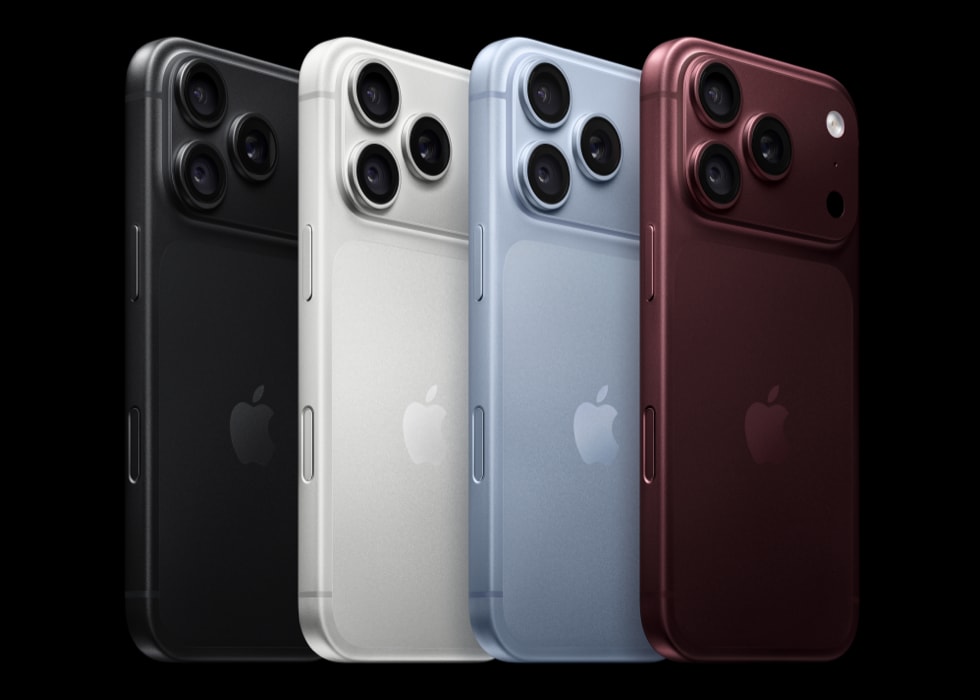
Apple has asked some suppliers to cut component production for the iPhone 18 Pro and iPhone 18 Pro Max, Nikkei Asia reported on Friday, citing multiple people familiar with the matter. October component orders were reduced by at least 15% from Apple's original requests. An executive-level source put the reduction at 15% to 20% and added, "we don't know how things would develop from here." This is a supply-chain report built on anonymous sources: Reuters, which relayed it, said it could not immediately verify the claim, and Apple did not comment.
The market treated it as credible anyway. Apple fell more than 1.6% in premarket trading to $334.89 and was down about 2.5% at $332.00 by mid-morning in New York, having run up nearly 8% since the September launch event.
The price rise and the missing base model are the same story
Nikkei's sources give two reasons, and they are connected. The first is price. The iPhone 18 Pro starts at $1,199 and the Pro Max at $1,299, each $100 above the equivalent iPhone 17 Pro. Apple did not absorb the cost of memory and storage, which has been bid up by the AI data-centre buildout; it passed it through, as it had already done with iPad and MacBook prices in June. Tim Cook, now executive chairman, told the Wall Street Journal that summer that the increases were unavoidable given chip costs.
The second is the calendar. There is no standard iPhone 18 this autumn. The base model and an upgraded iPhone Air are held until early 2027, so the September cycle shipped only premium hardware: the two Pro models and the foldable iPhone Duo at $1,999, which goes on sale October 23. A supply chain manager told Nikkei that second-half demand is weaker than in previous years and tied that directly to the absence of a baseline model.
| Model | Price | Launch |
|---|---|---|
| iPhone 18 Pro | $1,199 (+$100 YoY) | September 2026 |
| iPhone 18 Pro Max | $1,299 (+$100 YoY) | September 2026 |
| iPhone Duo (foldable) | $1,999 | October 23, 2026 |
| iPhone 18 (base) | not announced | early 2027 |
| iPhone Air (updated) | not announced | early 2027 |
That matters for how the 15% should be read. Apple's original October component requests were a forecast made under a launch structure the company has never run before. A 15% to 20% trim against an untested plan is not the same signal as a 15% trim against a plan validated by five prior autumns. Some of what Nikkei's sources are describing as soft demand is a comparison against years in which a cheaper phone absorbed the volume. Some of it is a genuine price-elasticity response at $1,199. The report does not separate the two, and neither can anyone outside Apple.
Fewer units does not mean less revenue
The arithmetic cuts against the headline. If Pro volumes come in 15% below plan at prices 9% higher, revenue lands below the internal forecast but not necessarily below last year — and the mix has shifted entirely toward the most profitable units in the lineup, because there is no cheap model in the quarter to dilute it. Margin pressure, if it appears, comes from the memory bill rather than from the order cut.
The genuine risk is further out. One of Nikkei's sources expects a similar outcome for the Duo after launch. A foldable at $1,999 priced into a market where memory costs are still climbing is the more fragile product, and Micron's own commentary points to supply tightness persisting into 2027 — the same window in which the base iPhone 18 is supposed to arrive and carry volume.
November 2 will not settle this
Apple reports fiscal fourth-quarter results on November 2, the first earnings call for new chief executive John Ternus alongside CFO Kevan Parekh. That quarter closed on September 26 and contains barely two weeks of iPhone 18 Pro sales. The order cuts described by Nikkei are an October event, which means they land in December-quarter guidance, not in the reported numbers.
So the thing to read on November 2 is the guidance range and what Ternus says about pricing, not the fiscal Q4 iPhone line. If the December guide is strong, the October trim was a planning correction against a launch calendar Apple itself changed. If the guide is soft, then a $100 increase at the top of the range found the edge of what buyers will pay — and Apple spends 2027 discovering what that means for a lineup whose cheapest new phone has not shipped yet.
Sources: Reuters via Business Recorder — Apple cuts iPhone 18 Pro orders due to soft demand, Nikkei Asia reports · Reuters via The Standard · 9to5Mac — Report: Apple cuts iPhone 18 Pro production due to 'soft demand' · Forbes — Apple shares dip after report says it's cutting iPhone 18 Pro component orders · Benzinga — Apple stock falls on reported 15% to 20% component order cuts · MacRumors — Apple to report Q4 2026 earnings on November 2 · Apple Newsroom — Apple debuts iPhone 18 Pro and iPhone 18 Pro Max