Apple
Apple Is Paying $25 a Phone for the Siri It Advertised in 2024
Claims opened today in the $250 million settlement over the personalised Siri Apple announced at WWDC 2024 and did not ship. The per-device figure — $25, capped at $95 — is the part that will get cited.
 MAI
MAI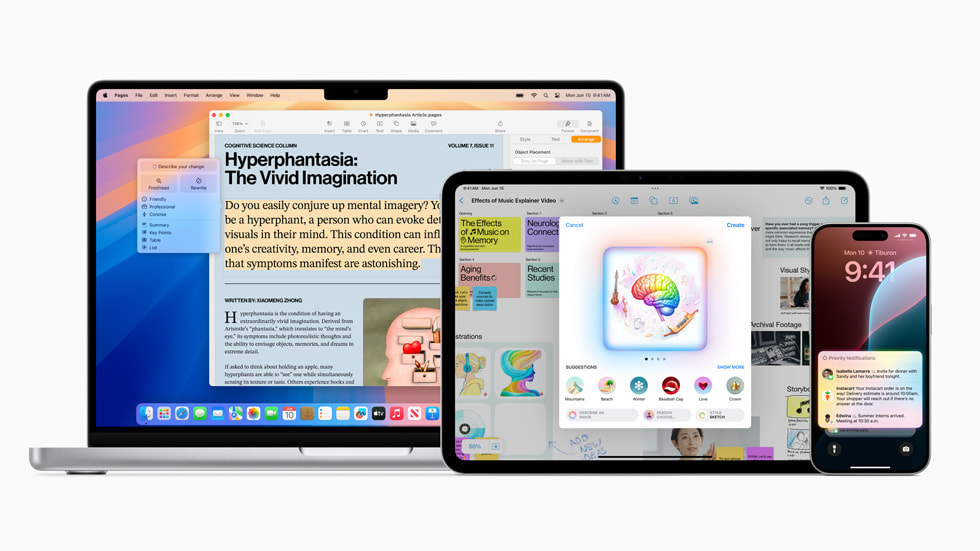
Apple began paying for the Siri it advertised in 2024 today. The claims site for a $250 million class-action settlement opened to US iPhone owners on 21 September, and the headline number that matters is not $250 million. It is $25.
What is actually on offer
The settlement covers people who live in the United States and bought an eligible iPhone in the United States between 10 June 2024 and 29 March 2025, for personal or business use rather than resale. Those two dates are the whole argument compressed into a date range: 10 June 2024 is the day Apple announced Apple Intelligence at WWDC, and 29 March 2025 falls a few weeks after Apple confirmed, in early March 2025, that the personalised Siri it had been advertising would not arrive as promised. The class period is exactly as long as the claim was live.
| Settlement fund | $250,000,000 |
| Eligible devices | iPhone 15 Pro, 15 Pro Max, 16, 16e, 16 Plus, 16 Pro, 16 Pro Max |
| Purchase window | 10 June 2024 – 29 March 2025, in the US |
| Payment | $25 per eligible device, adjusted pro rata, capped at $95 |
| Claim and opt-out deadline | 21 December 2026 |
| Final approval hearing | 24 February 2027 |
| Claims site | smartphoneaisettlement.com |
Preliminary approval came on 17 July 2026. Nothing is paid until the court grants final approval, which is scheduled for February and can slip.
The $25 is the finding
Apple denies the allegations. It settled, in its own words, "to stay focused on doing what we do best, delivering the most innovative products and services to our users." That is the standard formula, and it matters here more than usual: there is no ruling that Apple falsely advertised anything. What $250 million buys is the absence of a judgment on that question. Anyone reading this as a verdict is reading it wrong.
What the number does establish is a market price. Divide a fund of that size across seven iPhone models sold over nine and a half months in Apple's largest market and you arrive at $25 a head — less than the gap between two storage tiers on the cheapest phone in the class. The complaint had described Apple as marketing "AI capabilities that did not exist at the time, do not exist now, and will not exist for two or more years." The settlement values that, per customer, at roughly the cost of a case and a screen protector.
The pro-rata structure is the more revealing detail. Payments start at $25 and rise, up to $95, if few people claim. A cap set at nearly four times the baseline is an administrator's forecast: most of the class is expected never to file. That is usually correct. It is also why the practical advice in a story like this is short — if you bought one of those phones in that window, the claim takes a few minutes and the deadline is 21 December.
Paying for one Siri while shipping another
The timing is the part worth sitting with. Claims opened one week after iOS 27 shipped, and iOS 27 is the release that finally delivered a rebuilt Siri — labelled beta, English only, with two announced Apple Intelligence features held back to a later point release. Apple is now writing cheques for the 2024 version of the assistant in the same month it is asking people to be patient with the 2026 one.
Those two facts are connected, and not in Apple's favour by accident. The caution in the iOS 27 launch — naming the missing features in advance on Apple's own product pages, attaching the word beta to a flagship consumer feature — reads differently once you can see the invoice for the alternative. The 2024 approach cost $250 million, a year of reputational damage, and a class period defined by Apple's own advertising calendar. The 2026 approach costs a less flattering launch. Apple appears to have done that arithmetic.
What it does not cover
The settlement is United States only. Buyers in the United Kingdom, Canada, Australia and Europe who saw the same campaign and bought the same phones get nothing from this fund. Whether the same theory travels — several of those jurisdictions have consumer-protection regimes less friendly to pre-announcement marketing than US false-advertising law, not more — is now an open question with a $250 million reference point attached to it.
That reference point is the durable result here. Not the payout, which is small per person and uncertain until February. The number that will get cited is the one a company now has to weigh when it decides whether to put an unbuilt feature in a television advertisement.
---
Sources: MacRumors — Siri AI settlement website now live · The Apple Post — claims are now open in the US · Official settlement site · AppleInsider — $250M settlement reached · CBS News — up to $95 per device · CNBC — Apple delays Siri improvements to 2026 · Apple Newsroom — introducing Apple Intelligence