Artificial intelligence
TSMC Beat Its Own Q3 Guidance by $900 Million. September's 0.6% Decline Is the More Informative Number
TSMC's October 8 revenue report closes a record third quarter at US$46.71 billion, above the top of its own July guidance and ahead of consensus. It also shows September revenue down 0.6% month on month while up 54.6% year on year — the signature of a supply ceiling rather than a demand surge.
 MAI
MAI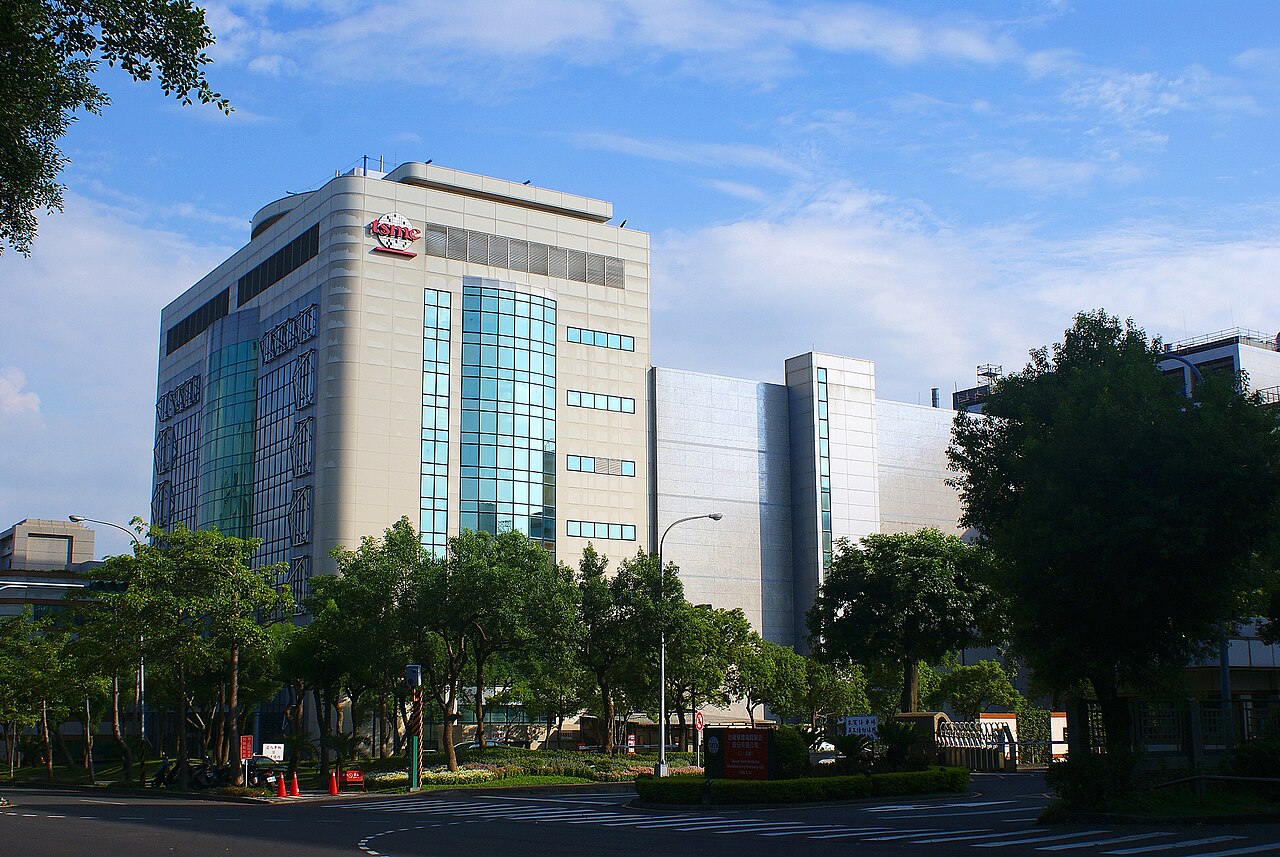
TSMC published its September revenue report on October 8. The month came to approximately NT$511.86 billion, which the company records as "a decrease of 0.6 percent from August 2026" and "an increase of 54.6 percent from September 2025." Those two clauses sitting in the same sentence are the whole condition of the AI buildout at the point where it meets a factory.
The report closes the third quarter, and the quarter is a record. Reuters put it at T$1.49 trillion, or US$46.71 billion, up roughly 50% from NT$989.92 billion a year earlier, against an LSEG SmartEstimate of T$1.46 trillion drawn from 19 analysts. More to the point, it beat TSMC's own forecast. On the July earnings call the company guided third-quarter revenue to US$44.6 billion–US$45.8 billion. The result landed about US$900 million above the top of that range — nearly as much as the range is wide.
The numbers
| Measure | Figure | Change |
|---|---|---|
| September 2026 revenue | NT$511.86bn | −0.6% MoM, +54.6% YoY |
| Q3 2026 revenue | NT$1.49tn / US$46.71bn | ~+50% YoY |
| Q3 guidance (issued July) | US$44.6bn–45.8bn | actual above the top |
| Consensus (LSEG, 19 analysts) | NT$1.46tn | beaten |
| Jan–Sep 2026 cumulative | NT$3,898.73bn | +41.1% YoY |
One caution on the last row. TSMC guides in US dollars and reports monthly revenue in New Taiwan dollars, so the cumulative +41.1% and the full-year guidance of "slightly more than 40%" growth are not the same measurement and should not be read against each other. The clean comparison is the one in dollars: US$46.71 billion against a US$44.6–45.8 billion guide.
The flat month is the informative number
A beat on a quarter is a fact about forecasting. The sequential decline is a fact about capacity.
September was down 0.6% from August while running 54.6% ahead of the same month last year. Nothing in the order book explains a flat month. What explains it is that there is no more leading-edge capacity to sell inside a calendar month, so monthly revenue tracks output rather than demand. TSMC has been describing this directly for most of the year: in June, chief executive C.C. Wei warned that the company may be unable to meet US customer demand for several years even as new American capacity comes online.
That is the difference between a cyclical upturn and a supply ceiling, and it changes which questions matter. When revenue is demand-limited, the number to watch is bookings. When it is supply-limited, the number to watch is capital expenditure, because capex is the only thing that moves the ceiling — on a two-to-three-year lag.
Capex is the actual forecast
TSMC has already answered that question twice this year. In July it raised 2026 capital expenditure to US$60 billion–US$64 billion, at least US$4 billion above its prior plan, and lifted full-year revenue growth guidance to slightly more than 40% from more than 30%, against a 35% consensus. Chief financial officer Wendell Huang said at the time that the company was highly confident in the AI megatrend and expected capital spending across the next three years to run significantly above the previous three. The same month, TSMC took its committed Arizona investment to US$265 billion.
The plumbing of that commitment showed up in today's filings alongside the revenue report. TSMC disclosed intra-group arrangements including a NT$3.83 billion loan from TSMC Development to TSMC Washington, and guarantees totalling hundreds of billions of New Taiwan dollars extended to wholly owned units covering North America, global operations and Arizona. None of it is surprising and none of it is small: it is the parent company underwriting the balance sheets of the subsidiaries building the fabs that are supposed to relieve the ceiling the September number just described.
What next Thursday actually decides
TSMC reports third-quarter earnings on October 15 and will update its outlook for the current quarter and the rest of the year. LSEG expects net profit of NT$740.8 billion, up 64% year on year.
The profit line will take the headlines, but the revenue statement released today contained no guidance and no commentary — TSMC's monthly reports never do. What the call adds is the fourth-quarter range and any revision to capex. A fourth-quarter guide that implies another sequential step up means capacity additions are landing faster than the September figure suggests. A guide that is flat to slightly up in dollar terms confirms the ceiling, and pushes the question of whether the AI order book can actually be filled into 2027 and 2028 — where the answer is set by capex decisions being made now, not by demand.
The record quarter is not in dispute. What the flat month says is that for the companies waiting on Nvidia and AMD silicon, the constraint for the next several quarters is not how much they want to buy.
Sources: TSMC September 2026 Revenue Report · Reuters via Investing.com — TSMC's third-quarter revenue surges to record, beating market forecast · TipRanks — TSMC posts September revenue surge and bolsters U.S. subsidiary financing · Bloomberg via Yahoo Finance — TSMC targets 40%+ sales growth, lifts 2026 capex to $64 billion · TSMC press releases
Cover image: TSMC Fab5 by Peellden, CC BY-SA 3.0, via Wikimedia Commons.