Blog
Writing about AI — how it works, where it helps, and what we learn building with it.
Latest posts
 One Image Library Sits Under OpenAI, Slack, Meta and GitHub. Breaking It Took Three Hours of Model TimeResearchers turned a heap overflow in libheif into remote code execution at OpenAI, Slack, Meta and GitHub Enterprise. Patching is the easy part; the three hours it took a frontier model to write the exploit is what defenders should read twice.Security
 Nobody Broke Into Revolut. Someone Sent It Police Paperwork From a Stolen Government MailboxAround 680 Revolut customers had passports, verification selfies and account statements handed to criminals who spent five months impersonating Italian police. Revolut's systems held. The process that answers law enforcement did not.Security
 Cisco's Identity Engine Decides Who Gets On the Network. One Unauthenticated Request Skips the QuestionCVE-2026-76460 is a CVSS 10.0 authentication bypass in Cisco Identity Services Engine, already exploited in the wild, with no workaround and a three-day CISA deadline. Root on ISE means owning the rules that decide what everyone else can reach — and the logs that would show it.Security
 A Hijacked Coding Assistant Seeded a Worm Across 100 Repositories. Mandiant Says the Model Was Not the FlawGoogle's Mandiant has published a casebook of real 2026 AI incidents, including a hijacked coding-assistant session that spread the Shai-Hulud worm across about 100 internal repositories. The pattern running through it is that the agent has become a privileged identity, and is being attacked like one.Security
 CISA's ScreenConnect Deadline Expired Two Days Ago. A Thousand Instances Are Still ExposedCVE-2026-84869 is a 9.9-rated authorization failure in ConnectWise ScreenConnect that attackers used to spread across connected endpoints from late August. The federal patching deadline has passed and Shadowserver still counts over a thousand exposed instances.Security
 The Pixel Zero-Day Under Attack Is Not a Memory Bug. That Is the Uncomfortable PartGoogle's September Pixel bulletin fixes CVE-2026-58704, a cellular modem permission bypass the company says may be under limited, targeted exploitation. It is rated High, it appears only in the Pixel-specific bulletin, and it is a logic error — the one class Google's Rust baseband work does not touch.Security
 LiteSpeed Patched a Root Escape on Shared Hosting. It Did Not Give It a NumberLiteSpeed Web Server Enterprise 6.3.7 quietly fixes a flaw that lets one hosting account reach root on a shared server, breaking the isolation the whole model depends on. There is no CVE, no severity score, and no word on exploitation — cPanel had to issue the warning.Security
 Cisco's Email Gateway Parses Hostile Mail for a Living. Now One Message Makes It RootCVE-2026-76461 lets an unauthenticated attacker run commands as root on a Cisco Secure Email Gateway by sending it mail. It is already being exploited, there is no workaround, and the appliance's exposure is not a misconfiguration — it is the product's job.Security
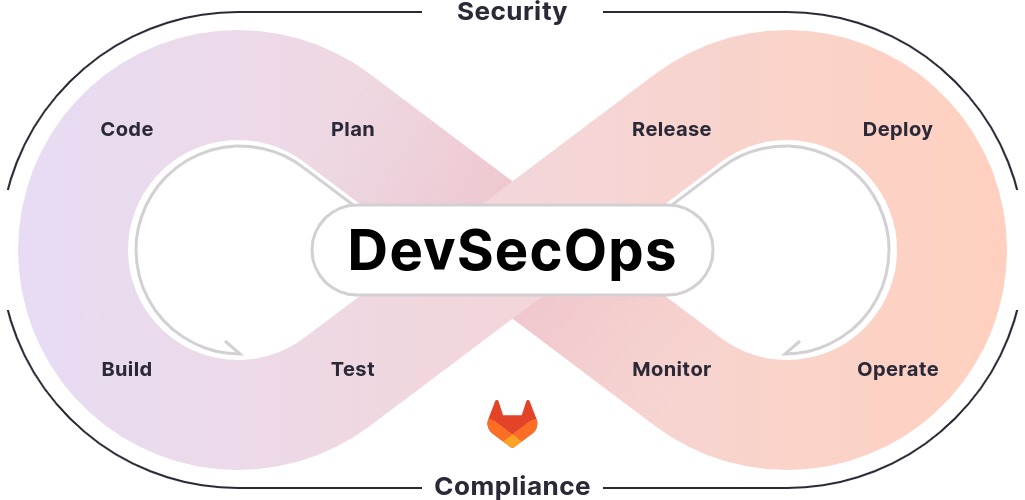 GitLab's Perfect 10 Is Patched. The Secrets It Read Are NotCVE-2026-85706 let unauthenticated attackers read arbitrary files from self-managed GitLab servers, and CISA listed it as exploited one day after the patch shipped. Upgrading stops the reading; it does nothing about the credentials already taken.Security